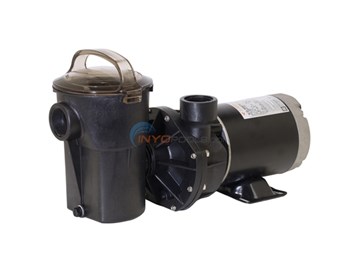
The pool pump is the heart of your above ground pool; it ensures your water stays healthy by moving it through your filter and chlorinator. Having the wrong pump can mean your pool water will get cloudy, green, and nasty. In this guide, we'll walk you through on how to size your above ground pool pump.



Anonymous Posted: 5/22/2022
I have a 21x41x54 what size pump and filter ?Reply
InyoPools Product Specialist Matt S. Posted: 5/23/2022
What type of filter do you want? Sand, Cartridge, or DE? How to Size an Above Ground Pool FilterReply
Anonymous Posted: 5/21/2022
I have a Pentair SD60 paired with a 1.5hp Dynamo. I'm getting dirty, cloudy water returned to the pool. Is the pump too much for the filter?Reply
InyoPools Product Specialist Matt S. Posted: 5/23/2022
That's unlikely to be the issue. You probably have a cracked lateral or standpipe inside the filter. How To Replace a Lateral in a Pool Sand FilterReply
Anonymous Posted: 5/10/2022
I have a 21ft round pool by 52 inches which pump and filter can i use because i have now a 4/4 hp pump and i was told is not good enough for the pool thank youReply
InyoPools Product Specialist Matt S. Posted: 5/11/2022
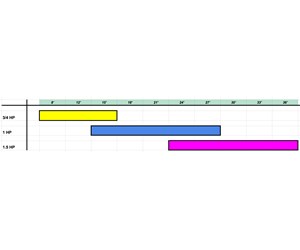
Referring to Step 2, a 1 HP pump would be enough. I'm not familiar with a "4/4 pump"Reply
Uriel Sierra Posted: 5/11/2022
Sorry i meant 3/4 hp. Is 1.5 hp too much? And what kind of sand filter would i need? Thank youReply
InyoPools Product Specialist Matt S. Posted: 5/23/2022
1.5 HP would be unnecessary. What is the size of your current filter?Reply
Christina Posted: 3/20/2022
I have 16×32 ×52rectangle what size would be bestReply
InyoPools Product Specialist Matt S. Posted: 3/21/2022
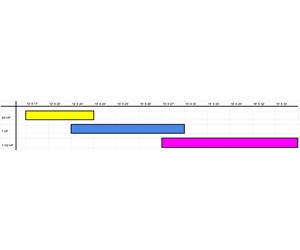
Since it is a rectangle, I'd use the oval pool charts as a reference. According to the Step 3 chart, your 13'x32' rect should use a 1.5 HP pool pump. We suggest the Pureline Pure Pro XL - 1.5HP.Reply
Kalie smith Posted: 5/2/2021
Hello, I have a 22x52 above ground Coleman pool. I am looking to get a sand filter pump system this year. Could you point me in the direction of what size I should get? Thank youReply
InyoPools Product Specialist Matt S. Posted: 5/13/2021
A 22-foot round above ground pool should have at least a 16" sand filter. A good example is the Waterway Carefree 16" Sand Filter - FS01619.Reply
Gortex Posted: 8/18/2020
bought a bestway steel above ground oval (18Lx9Wx4D/approx. 3548gal) The pump crapped out (bought new, but second hand so, no warranty) Looking to install a decent pump but not extremely pricy. Thank you in advance for any help or direction.Reply
InyoPools Product Specialist Matt S. Posted: 8/21/2020
As the article states, you would need a 1 HP pump. Our most popular pumps at the moment are the Waterway Hi-Flo II Pool Pump - 1 HP, 115V, 1-Speed, 3' STD Cord, Vertical - PH1100-6Reply
Jason Posted: 4/19/2020
I have a 21’ round pool with 52” inch walls and a 6 foot deep center. I’m switching from a sand filter to a cartridge filter and my new filter came with a 1 1/2 hp pump. Is this new pump going to be too much for my pool? Thanks, JasonReply
InyoPools Product Specialist Matt S. Posted: 4/24/2020
The worry is overpowering the filter with a pump too that is big. If the pump and filter came in a combo pack, you would not have to worry about it being a bad pairing. As for the size of your pool, I would want to 1.5 HP because you have the extra gallons to filter with having that deep end.Reply
K M Posted: 4/16/2020
I have a 16'x32'x4' oval (approx.12,000 gallons) with a 1hp Pentair OptiFlo pump and Hayward S180T filter. The filter is rated for 35gpm. Is that sufficient for both the size of the pool and the flow from the pump? If not, should I downsize the pump or upsize the filter?Reply
InyoPools Product Specialist Matt S. Posted: 4/17/2020
If the pump and filter are already installed, my first question would be; is the pool clean and running smoothly? If the pool is clean, there is no need to spend money on changing anything.Reply
Les Posted: 2/24/2020
Newly purchased property has 33 ft, 52 inch existing pool with 27, 800 of water in it for over a year. It has a 60 gpm filter and pump is missing. Am I reading the chart correctly, that the 1 1/2 hp pump provides more than my filter can handle/ What size wire would I need to run from breaker, someone took that too? Thank you.Reply
InyoPools Product Specialist Matt S. Posted: 2/25/2020
The Pentair pump and filter combo units pair the Sand Dollar SD60 with their 1.5 and 2 horsepower pumps. There shouldn’t be an issue installing a standard 1.5 horsepower a/g pump like the Waterway Hi-Flo II Pool Pump – 1.5 HP, 115V, 1-Speed.REPLYReply
Les Posted: 2/26/2020
Thank you MattReply
Penny Posted: 10/1/2019
I purchased a used above ground pool. 26’ by 52 inches deep (round) It came with a 0.52 hp pump that puts out 2500 gph. Can i get a bigger cartridge pump?Reply
InyoPools Product Specialist Robert M. Posted: 10/7/2019
You can go with a 1HP or 1.5HP pump as long as your filter can handle the increased flow.Reply
Wade Posted: 9/24/2019
Is it hard to switch from chlorine to salt? Is the sand filter the same or require a different type of sand? Also not sure if 1 or 1 1/2 HP would be better for a 24' x 5' above ground pool.Reply
InyoPools Product Specialist Robert M. Posted: 9/26/2019
Hello Wade - It is not hard to switch to a salt system. It's two steps, install the system and add salt. The sand filter would stay the same. You would not need to change the sand in the filter. 1HP is adequate for a 24' pool. If the 1HP is not providing enough power for vacuuming, bump it up to 1.5HP.Reply
JOY Posted: 9/11/2019
DOES ANYONE KNOW WHAT SIZE SAND FILTER PUMP i NEED TO BUY FOR MY COLEMAN 22' X 52' POOL? DOES THAT GO ALONG WITH THE PUMP IT CAME WITH OR USE ONLY ONE AT A TIME? HELP PLEASEReply
InyoPools Product Specialist Matt S. Posted: 9/12/2019
If you refer to the chart for round pools, listed as Step 2 of the 4; you would see that a 1 HP pump would be the preferred choice. For the filter, I suggest reviewing the chart on this guide: How to Size an Above Ground Pool FilterReply
Donna Posted: 8/12/2019
What size pool filter and pump would I need. 18x9x52 inches. ( Intex pool)Reply
InyoPools Product Specialist Matt S. Posted: 8/14/2019
Very good question. Take a look at the clear pump horsepower guidelines listed on this article or you can view the clear pump and filter guidelines listed in this article: How To Size an Above Ground Pool Pump and Filter SystemReply
Toni Posted: 6/14/2019
I have a 22 x 12 x 52 rectangle aboveground pool what pump and filter is neededReply
InyoPools Product Specialist Matt S. Posted: 6/19/2019
I would refer to the oval sizes listed on this sizing guide: How To Size an Above Ground Pool Pump and Filter SystemReply
Cynthia Posted: 6/3/2019
I need a pool pump for a 18×48 above ground coleman pool can i use any pump? Will my existing hose work if i do get different pump other then the 90401e model?Reply
InyoPools Product Specialist Matt S. Posted: 6/6/2019
I'm not sure what types of hoses come with those Coleman models, because we do not offer them. But you may want to look into getting stand PVC flex pipe from a local hardware store.Reply
Adam Posted: 6/2/2019
I have a 17×52 above ground . What size sand & salt water filter do I need?Reply
InyoPools Product Specialist Matt S. Posted: 6/6/2019
Refer to Step 2 on the following guide: How to Size an Above Ground Pool FilterReply
Denise Posted: 5/29/2019
We need a pump from the pool to the roof through 200 feet of garden hose what do we needReply
InyoPools Product Specialist Matt S. Posted: 5/30/2019
You will need as much HP in an above ground pool pump as you can get, but I couldn't confirm it would work. That is an otherworldly amount of hose, then tack on the fact you are putting it on an incline to reach the roof. I do not know an above ground pool pump suited for that application.Reply
Gail Posted: 5/27/2019
need new pump and filter for above ground 27' round 52 "depth pool any suggestionsReply
InyoPools Product Specialist Matt S. Posted: 5/30/2019
Yes, we do. Sizing recommendations are listed here: How To Size an Above Ground Pool Pump and Filter SystemReply
Anonymous Posted: 5/22/2019
Can you let pump run 24 ours or 12 oursReply