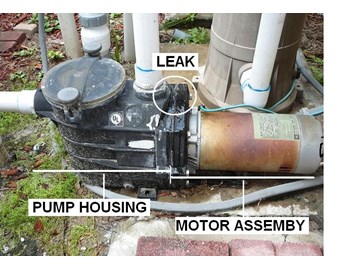
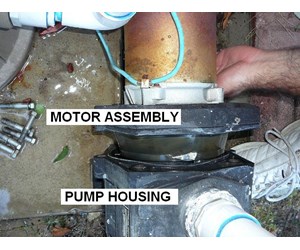
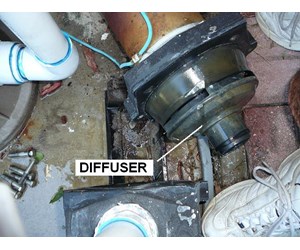
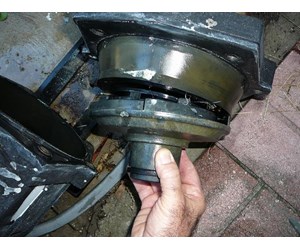
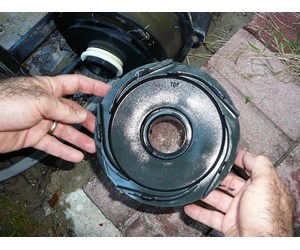
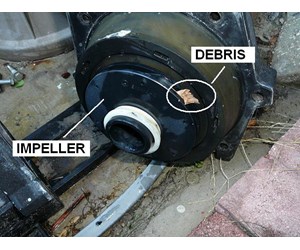
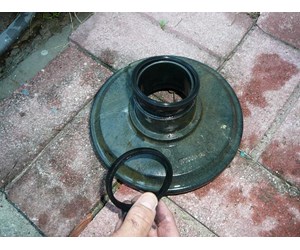
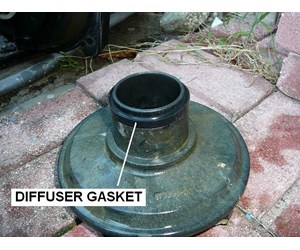
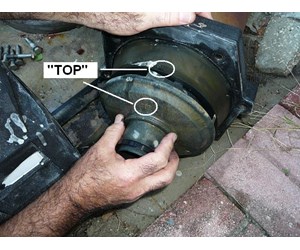
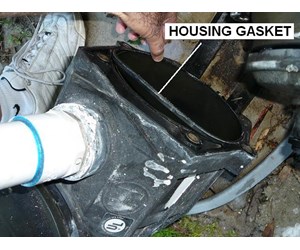
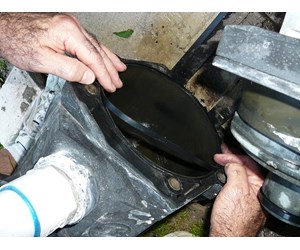
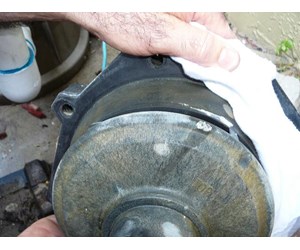
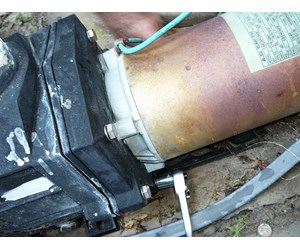
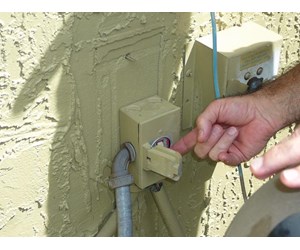
If you have a leak spraying out of the seal between the pool pump housing and the motor assembly, you probably need to replace the housing gasket between the two units. We recommend that when you pull the pool pump motor assembly to replace this gasket, you also replace the diffuser gasket within the motor assembly.
Click Here to Find Your Pump's Replacement Gaskets 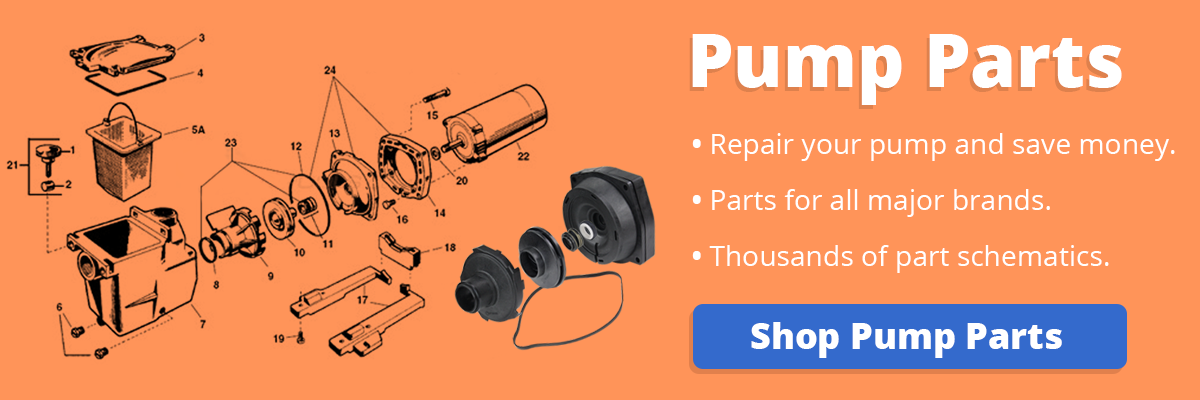



Jeff Posted: 8/30/2020
Replaced pump housing gasket and diffuser gasket, still leaking in same place at the bottom. I greased the gasket with the magic lube and cleaned the surfaces very well, did the alternate bolt tightening. what next?Reply
InyoPools Product Specialist Matt S. Posted: 8/31/2020
Sounds like you need to replace the pump's shaft seal. What Shaft Seal Do I Need? – INYOPools.com – DIY ResourcesReply
Jeff Simko Posted: 9/5/2020
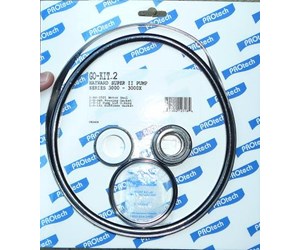
Is there a how to on replacing the shaft seal. I purchased the GOKIT2, i believe this came with new one?Reply
InyoPools Product Specialist Matt S. Posted: 9/8/2020
We do not have a guide that talks specifically about disassembling and replacing the gaskets on a Hayward Super II. But, you can use a combination of this guide, How To Use a Tune up / GO-KIT, and this guide How To Replace the Motor on Your Pool Pump to get the general gist.Reply
InyoPools Product Specialist Dennis R. Posted: 6/9/2017
Terry - It does not matter where you start the sequence. You are just trying to apply pressure evenly.Reply
Terry Posted: 6/9/2017
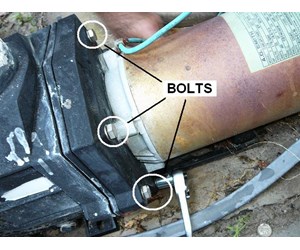
The alternating sequence for the 6 bolts on the Hayward Super Pump 2 for the housing gasket replacement of 1,3,4,2,5,6 where is number 1 bolt located? Or does it make any difference where you start?Reply
InyoPools Product Specialist Dennis R. Posted: 6/21/2016
jerseyandy - Yes, it is possible to overtighten the bolts. I would take the motor assembly out again. Check for cracks in the new gasket. Check for cracks in the housing around the gasket groove. Make sure the groove is clean. Re-clean the area on the seal plate of the motor assembly where the gasket comes in contact with the plate. Put a thin layer of silicon lube on the gasket. When you bolt the assembly to the housing, alternate the bolts from one side to the other to ensure a good seal. Hand tighten until the bolts are snug. If you still have a very slow leak - 2 drops a minute- you can probably live with that. You may have to replace the housing if the leak gets larger.Reply
jerseyandy Posted: 6/20/2016
I replaced the gasket between the pool pump housing and the motor assy with a brand new gasket from the GoKit for my Hayward Super Pump 2. Yet, i have a very slow drip at the bottom. (1 drop every 20-30 sec)...could it be overtightened??. I just recently installed a new motor assy and changed all the shaft seal, impeller seal, that all is fine...just an issue with the gasketReply
InyoPools Product Specialist Dennis R. Posted: 7/21/2013
ramsey - See our guide on "How To Replace A Pool Pump Impeller". It should be close enough to you motor design to help you.Reply
ramsey Posted: 7/20/2013
How do you remove the impeller from the motor shaft of an Emersom HP2?Reply
InyoPools Product Specialist Dennis R. Posted: 7/2/2013
Shell - Your motor probably has a little corrosion around the seal. I would get a rubber mallet and tap it around the circumference of the motor to loosen it up a little.Reply
Shell Posted: 7/1/2013
Stuck on step six. Sigh. Hayward RS. Removed six bolts. Motor still won't pull off. I've watched video after video of people popping that sucker right off after removing the bolts, just as you describe here. What am I missing??Reply
S0upb0ne Posted: 5/4/2013
Great DIY instructions! Step 14 was probably the hardest part of the whole operation.Reply
InyoPools Product Specialist Dennis R. Posted: 2/11/2013
confused - If you haven't already replaced your housing gasket, do that now. Make sure the gasket seats properly. When you tighten the clamp, it sometimes helps to tap it gently to distribute the pressure all around the clamp - clamps tighter. Lastly look for cracks in the housing. Occasionally it has to be replaced.Reply
confused Posted: 2/10/2013
We just replaced our motor, pool seal, and o-rings on our Challenger Pentair 3/4 hp pump. My question is that it is still leaking at the bottom of the clamp. Any suggestions?Reply
InyoPools Product Specialist Dennis R. Posted: 8/7/2012
cruzer0984 - Turn your motor off and don't run it while it's wet. Hopefully it hasn't shorted out. Fix the leak that is spraying your motor - probably the shaft seal - then see if your motor is not permanently damaged.Reply
cruzer0984 Posted: 8/6/2012
pump got wet now i turn on and it starts to smoke from bcak of motor....Reply
Poolboy Posted: 6/21/2012
Thanks, how do you stop the diffuser gasket from getting pushed back when you re-assmble it?Reply
Bobcat Posted: 1/2/2012
I replaced a couple of my pool pump gaskets and it stopped the leak. Thank you for the informationReply